Preventing Cavitation in Split Casing Pump Systems: A Complete Guide
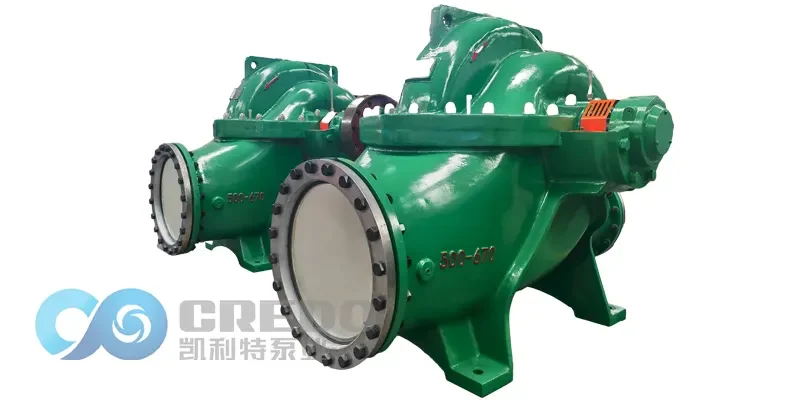
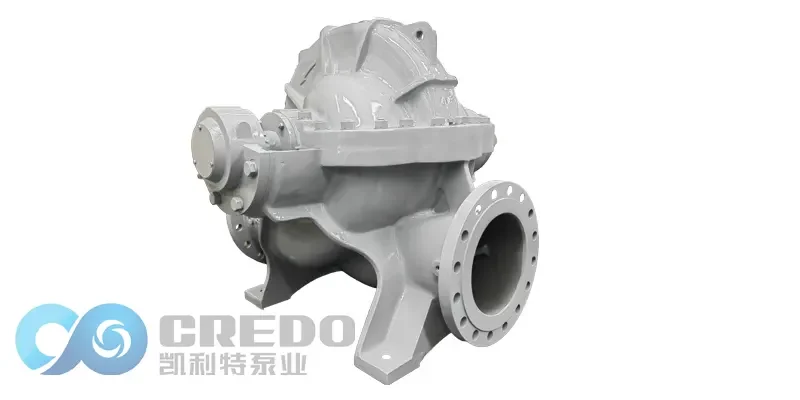
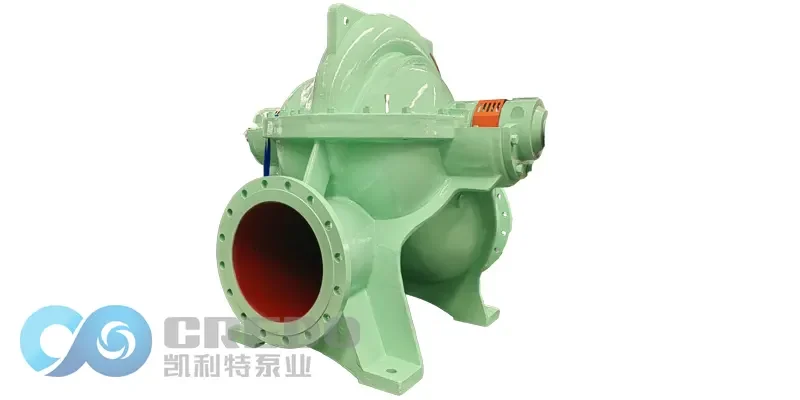
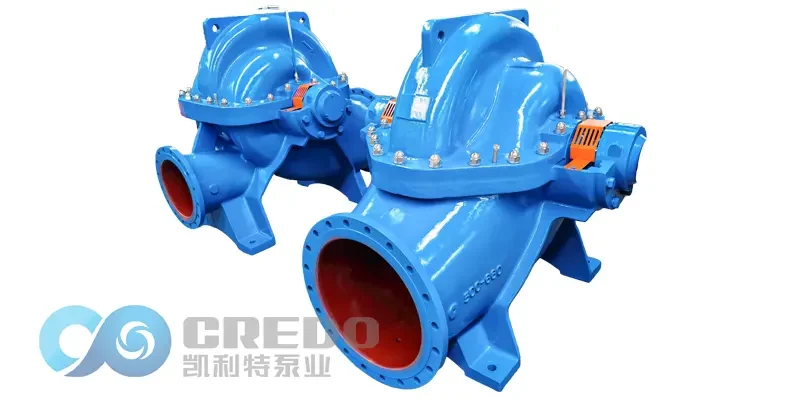
Cavitation is a serious concern in any centrifugal pumping system, including the split casing pump. It can lead to severe mechanical damage, reduce pump efficiency, and shorten the lifespan of the equipment. Cavitation occurs when the fluid pressure within the pump falls below its vapor pressure, leading to vapor bubble formation. These bubbles collapse violently when they move to higher pressure areas, causing shockwaves that damage internal components. Understanding cavitation and how to prevent it is vital for maintaining the long-term performance and reliability of a split casing pump.
Common Types of Cavitation in Split Casing Pumps
Recognizing the various types of cavitation can help operators take targeted action to prevent damage:
1. Vaporization Cavitation: The most common form, caused by a drop in fluid pressure below vapor pressure at the impeller eye.
2. Turbulent Cavitation: Results from turbulence and pressure differentials created by improperly sized valves, elbows, or filters.
3. Blade Syndrome Cavitation: Occurs when impeller clearance is reduced due to oversized impellers or thick internal coatings.
4. Internal Recirculation Cavitation: Happens when the pump runs at very low flow, causing recirculation and vapor bubble formation.
5. Air Entrainment Cavitation: Introduced air from leaks in valves or fittings can create destructive cavitation when compressed in the impeller.
Understanding NPSH in Split Casing Pumps
Net Positive Suction Head (NPSH) is essential for evaluating cavitation risk. NPSHa (available) must always exceed NPSHr (required):
– NPSHa: Based on actual system conditions such as suction piping and fluid level.
– NPSHr: Determined by pump design and verified during testing. It typically corresponds to a 3% drop in head.
A safe margin between NPSHa and NPSHr ensures reliable split casing pump operation without cavitation.
Effective Strategies to Reduce Cavitation
Operators can take several steps to increase NPSHa and prevent cavitation:
1. Lower the pump relative to the suction source to increase pressure at the inlet.
2. Increase suction pipe diameter to reduce flow velocity and head loss.
3. Minimize fittings and use low-resistance elbows and valves.
4. Avoid or regularly clean suction filters and screens.
5. Cool the fluid to reduce vapor pressure, especially for high-temperature applications.
Maintain a Safe NPSH Margin
The NPSH margin is the difference between NPSHa and NPSHr. A greater margin provides insurance against fluctuating system conditions. Factors influencing this margin include fluid temperature, pump speed, and suction lift. Monitoring and maintaining a healthy NPSH margin ensures the split casing pump remains cavitation-free under varying loads.
Minimum Flow Requirements for Split Casing Pumps
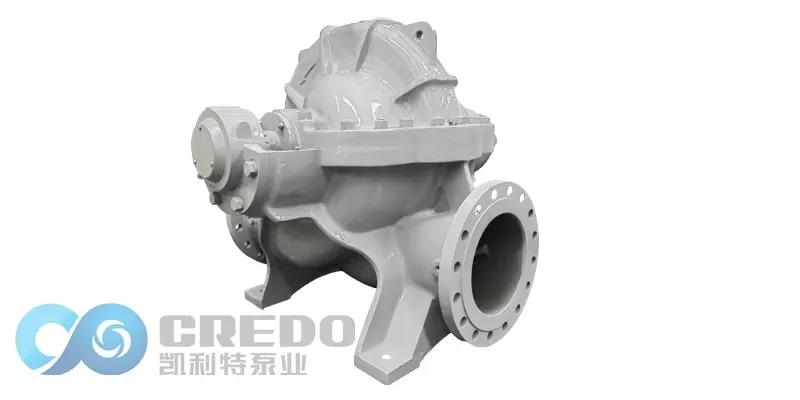
Operating a split casing pump below its minimum flow can lead to internal recirculation and cavitation. It’s crucial to ensure that the pump runs within its specified allowable operating range. Flow should never drop below the minimum continuous stable flow to prevent damage and performance decline.
Designing Impellers to Resist Cavitation
Impeller design greatly influences cavitation risk:
– Use impellers with fewer blades and larger inlet diameters to reduce acceleration.
– Select materials that resist cavitation-induced erosion.
– Tapered blade designs reduce turbulence and improve flow stability within the pump.
Applying Anti-Cavitation Devices
Specialized components like flow conditioning accessories and cavitation suppression liners can reduce cavitation. These devices manage fluid dynamics to ensure smooth flow and reduce localized low-pressure zones near the impeller.
Pump Sizing and Cavitation Prevention
Selecting the right split casing pump size is critical. Oversized pumps often operate below BEP (Best Efficiency Point), while undersized pumps struggle to meet demand. Both conditions increase the likelihood of cavitation. Accurate pump sizing based on system demand and fluid properties is essential to ensure long-term, trouble-free operation.
Conclusion
Cavitation can compromise the performance, efficiency, and service life of a split casing pump. Understanding the causes and implementing preventive measures—such as maintaining NPSH margins, selecting appropriate pump sizes, and managing suction system design—can ensure optimal performance. Through careful system design and regular maintenance, operators can extend the lifespan of their split casing pumps and reduce the risk of costly downtime.